Longevity of LiveRoof® Hybrid Green Roofs
Feature: Haworth Corporate Offices
Holland, MI | LiveRoof, LLC
How long should a green roof last? It’s a question owners, designers, and facility managers ask early in the planning process—and one that should shape every decision that follows. For LiveRoof®, longevity is not an afterthought. It is the foundation of the system.
Founded in 2006, the LiveRoof® hybrid modular green roof system was created with a long-term mindset from day one. As LiveRoof® enters its 20th year in 2026, the company’s commitment to durability, performance, and lasting beauty is backed not only by time in the field, but by real-world results. LiveRoof® systems are intended to last indefinitely when properly maintained, supported by a 50-year module warranty and a design philosophy focused on low maintenance and long-term owner value.
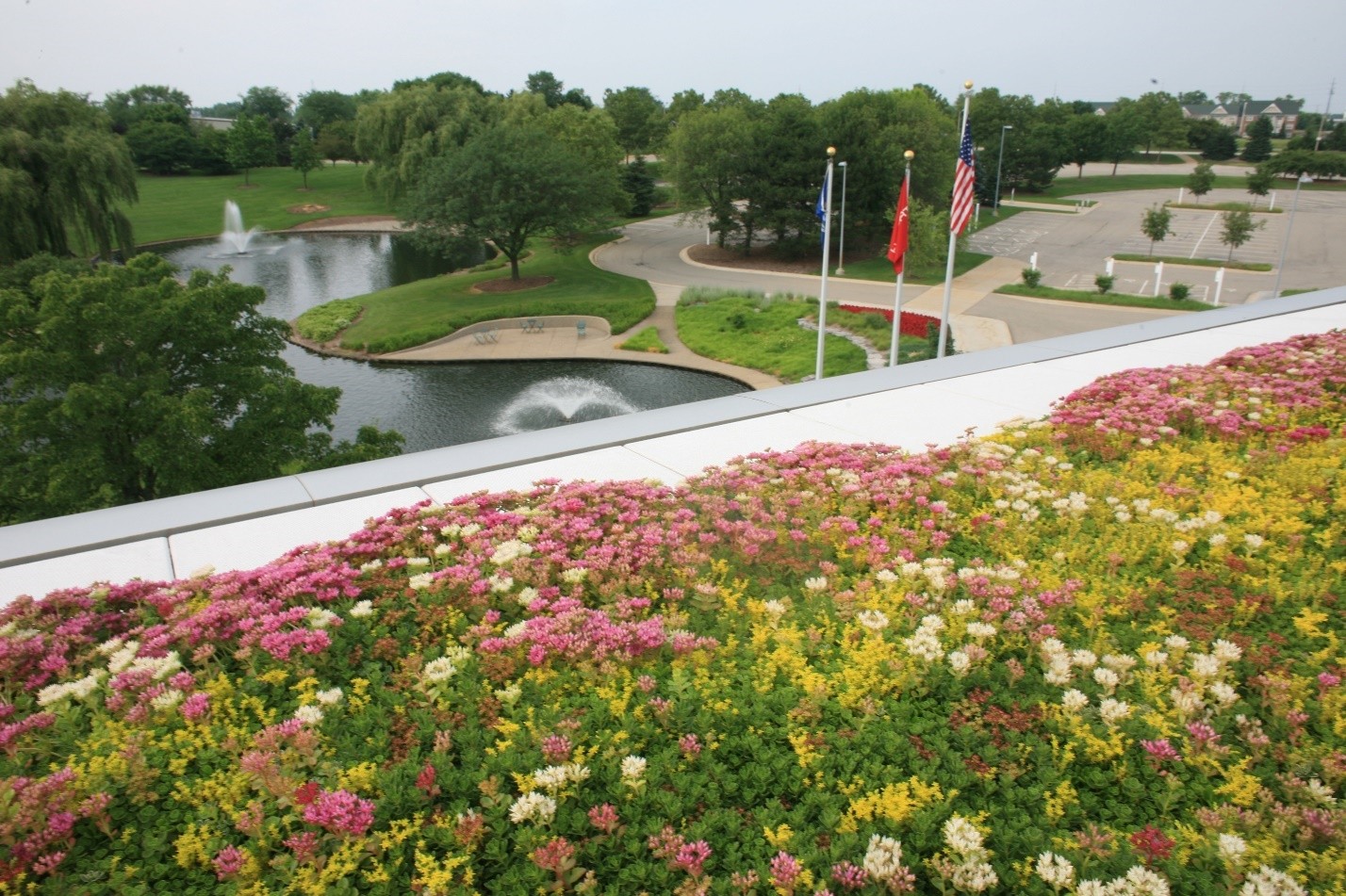
2013 Haworth Corporate Offices | Holland, MI
A Global Network Focused on Long-Term Performance
Each year, the LiveRoof® Network Growers Summit brings together LiveRoof® network of growers from across the United States, Canada, New Zealand, and Chile. This annual gathering provides an opportunity to share research, review best practices, and evaluate long-term performance of installed projects. The 2025 Summit, held in October, placed a strong emphasis on longevity—examining how LiveRoof® systems perform not just in theory, but decades after installation.
One of the highlights of the Summit was a site visit to the LiveRoof® installation at the Haworth Corporate Offices in Holland, Michigan.
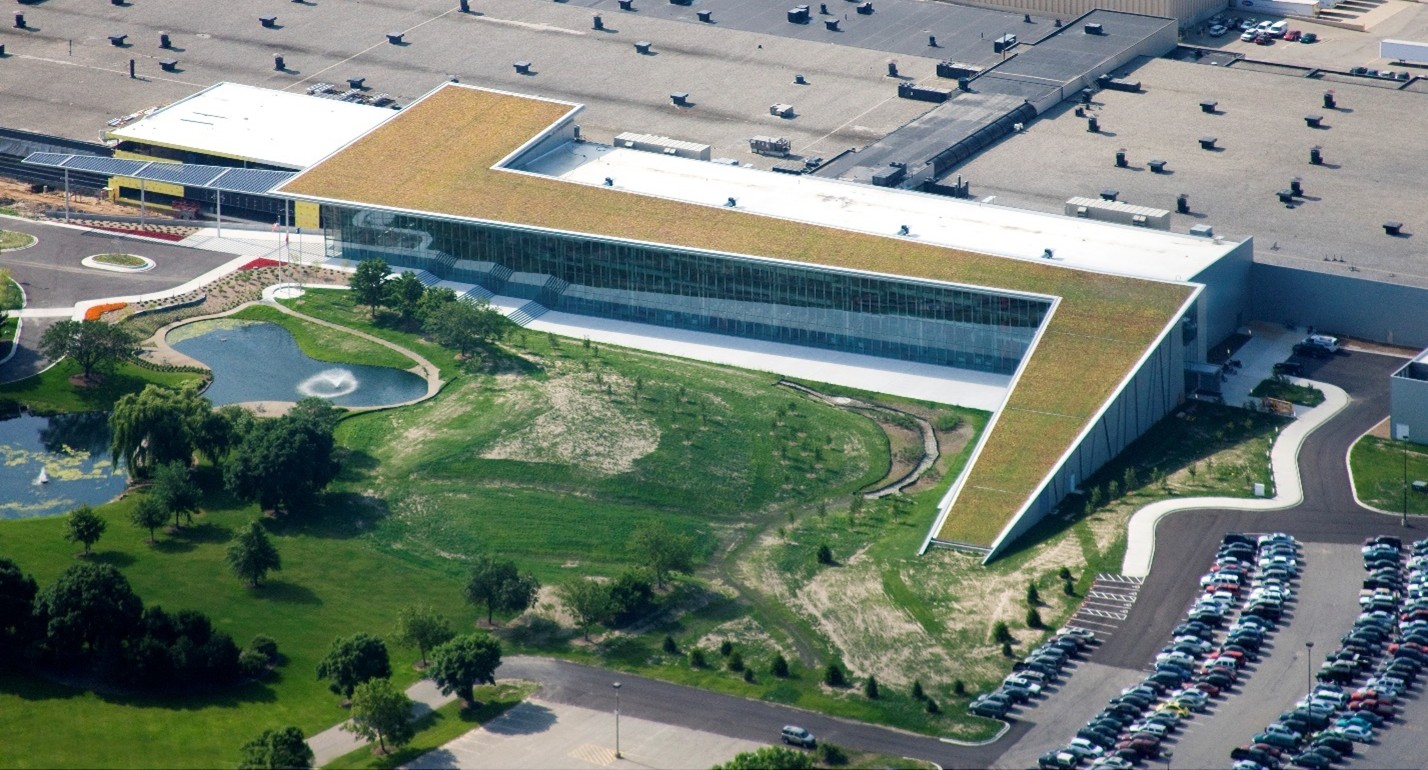
2008 Haworth Corporate Offices | Holland, MI
Haworth: Proof After 19 Years
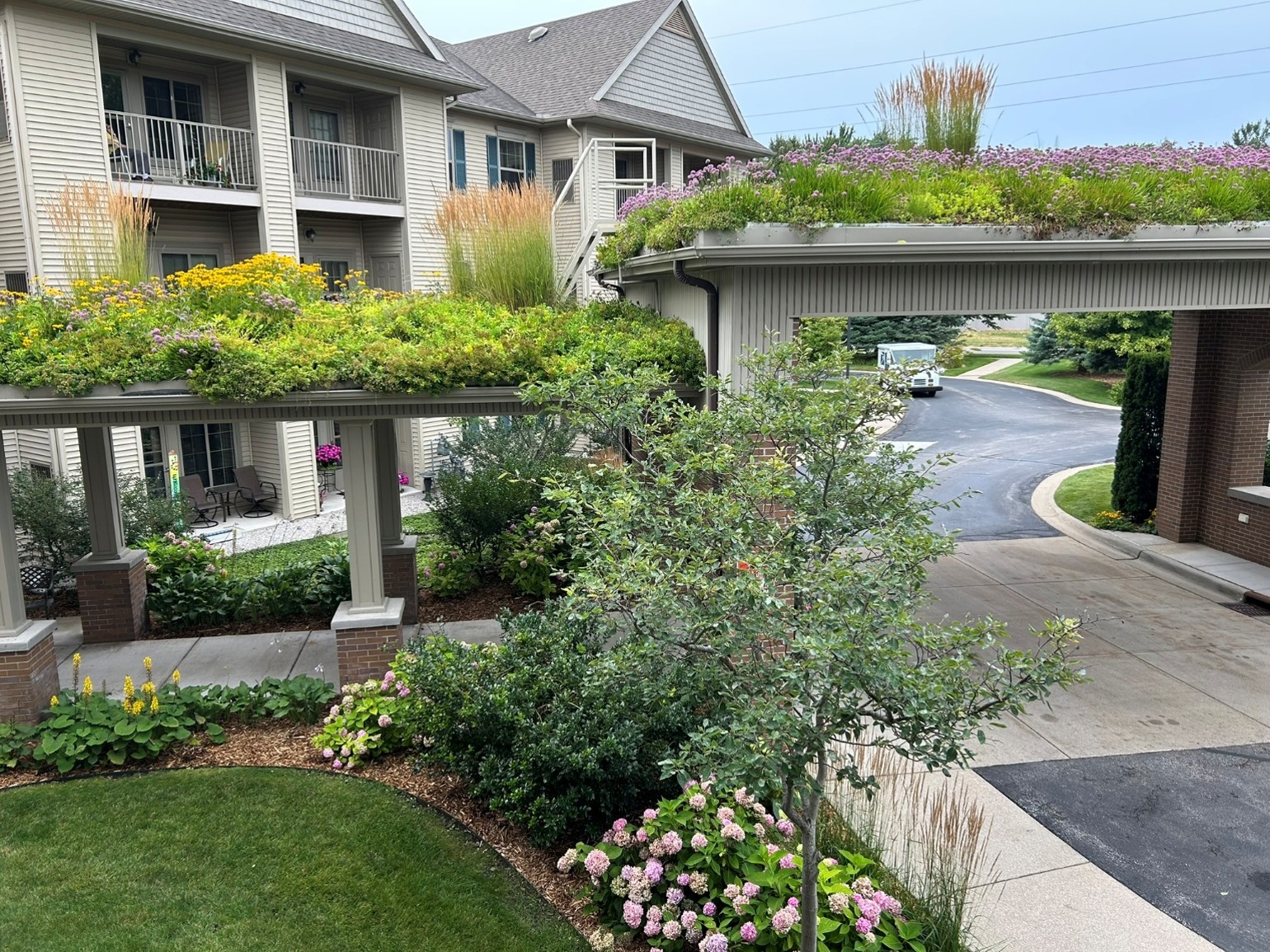
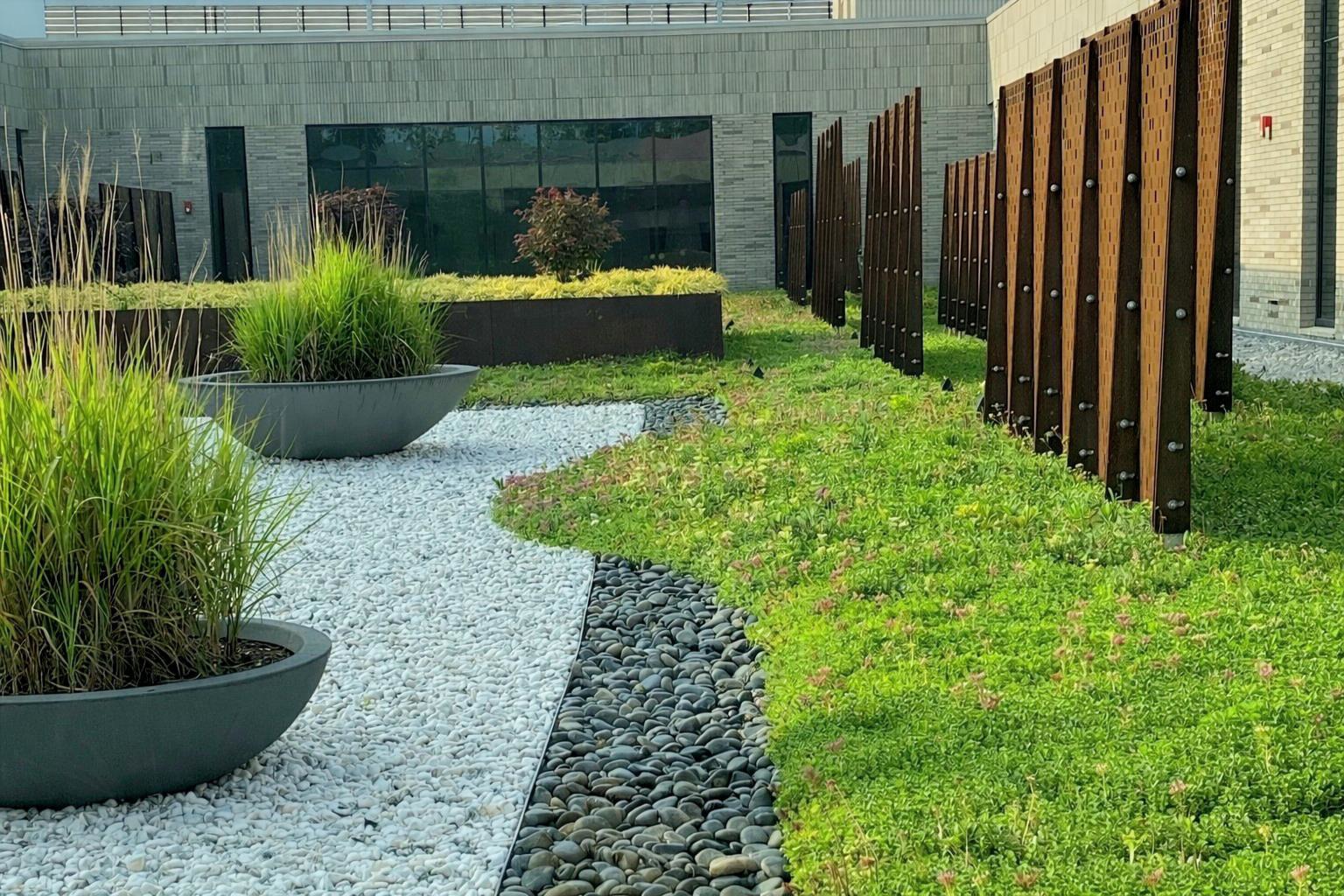
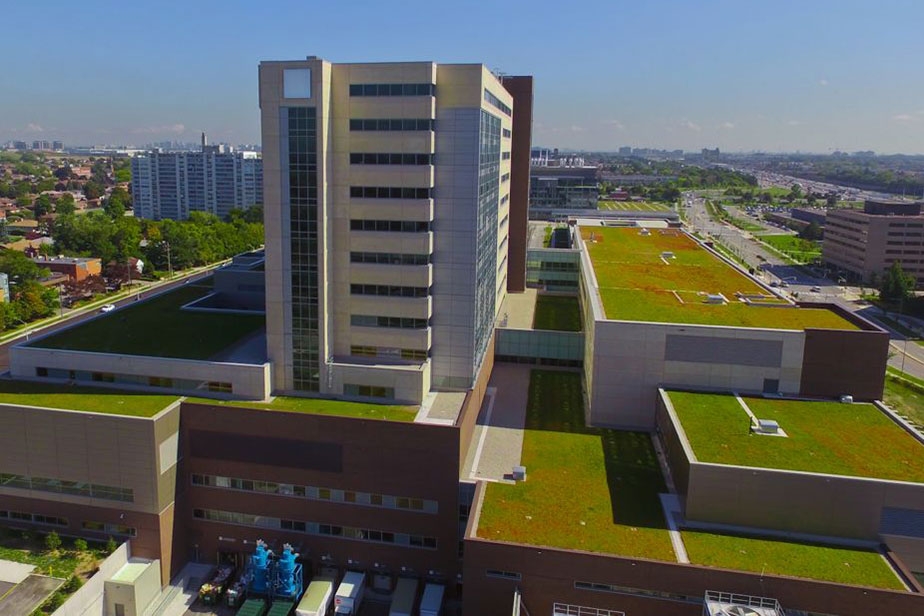
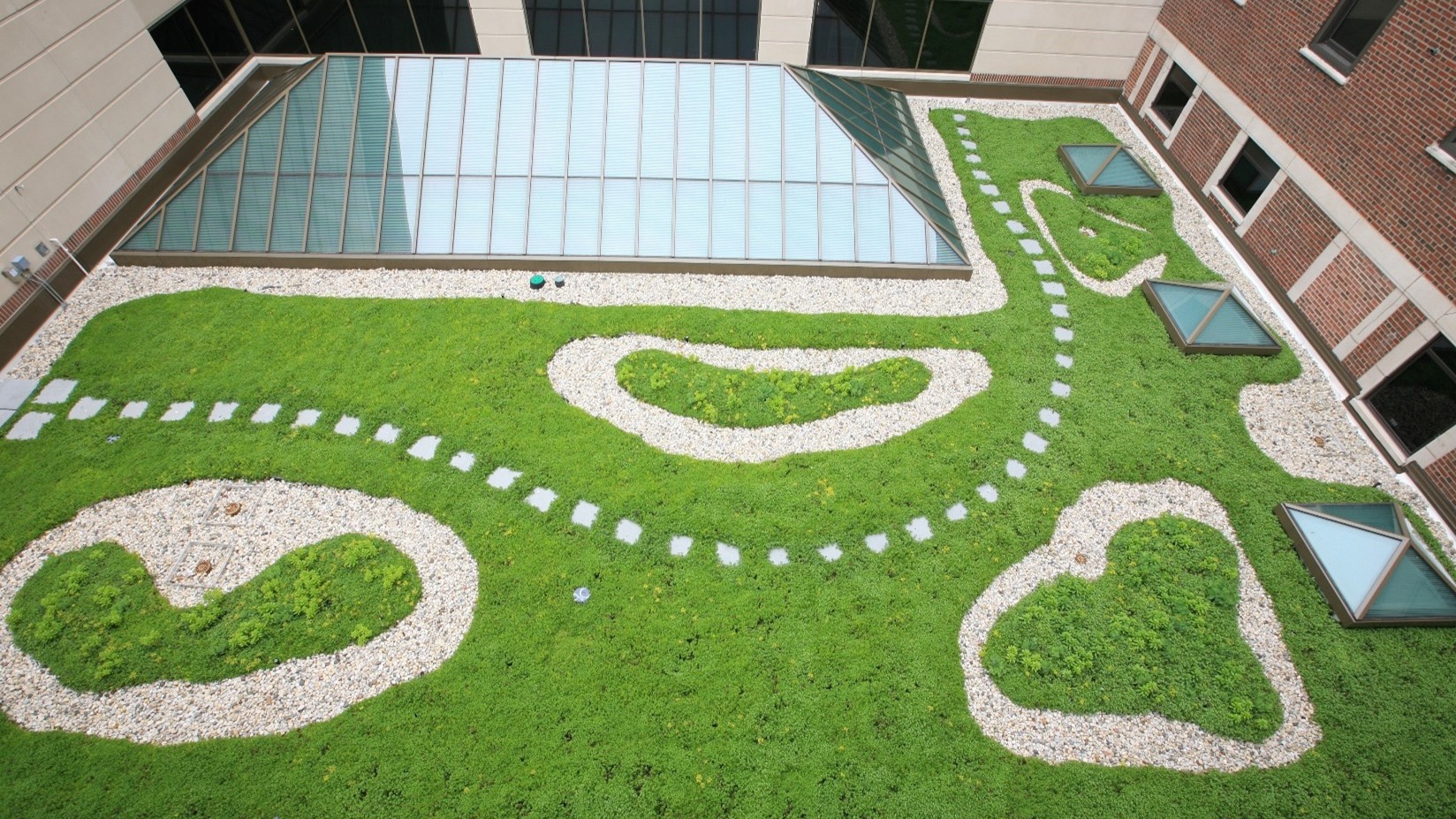
Installed over 19 years ago, the 45,000-square-foot LiveRoof® green roof at Haworth provided a compelling case study in long-term success. Summit attendees walked the roof as a group alongside Haworth’s Grounds Manager, Tim Meiste, evaluating the system’s condition, performance, and maintenance needs.
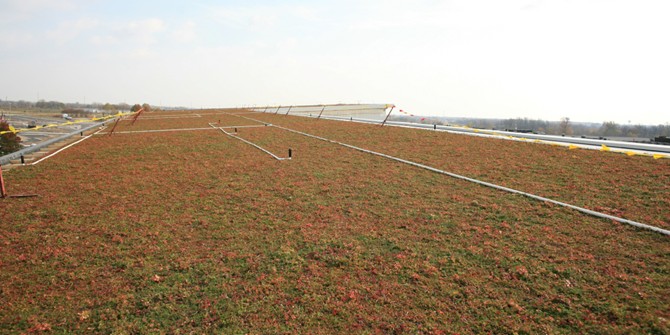
2007 During Construction
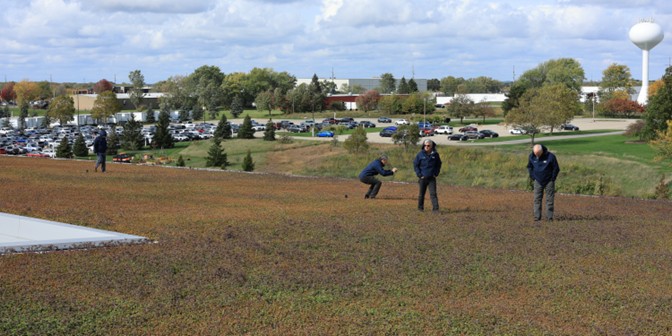
2025 - 19 Years Later
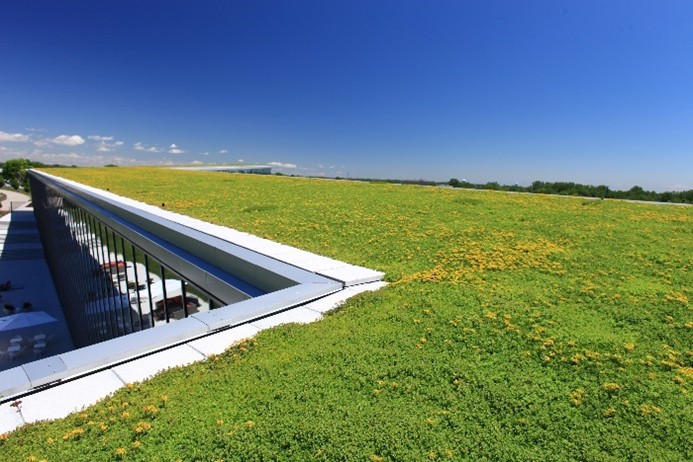
The findings were striking. Across the entire roof, only two weeds were found. There was no exposed soil and no erosion—clear indicators of a stable, well-performing system nearly two decades after installation.
Equally impressive was the maintenance regimen supporting that performance. Following LiveRoof®’s prescribed maintenance protocol, Tim conducts a soil test each March and applies fertilizer based on test results. A brief “weed walk” every 10 days averages about 30 minutes and typically turns up only five to six small weeds. Irrigation is minimal, occurring approximately every two to four weeks during peak summer months (July through September). In total, annual labor input is estimated at just 15–20 hours per year.
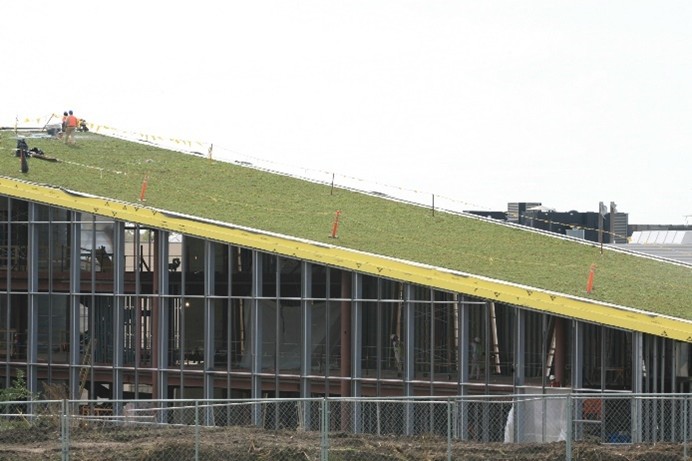
During Construction
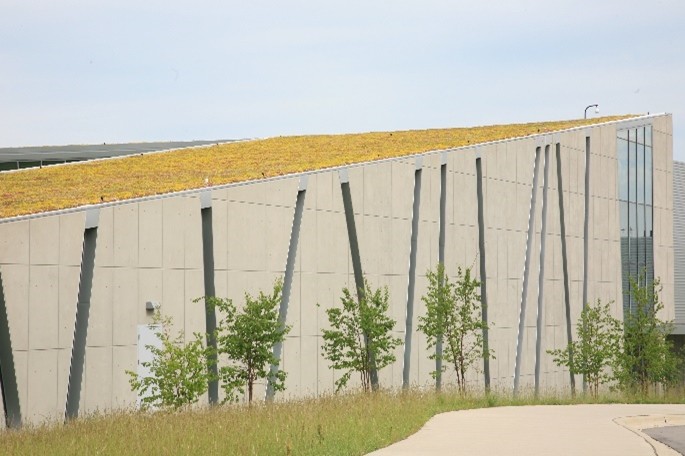
After 3 Years
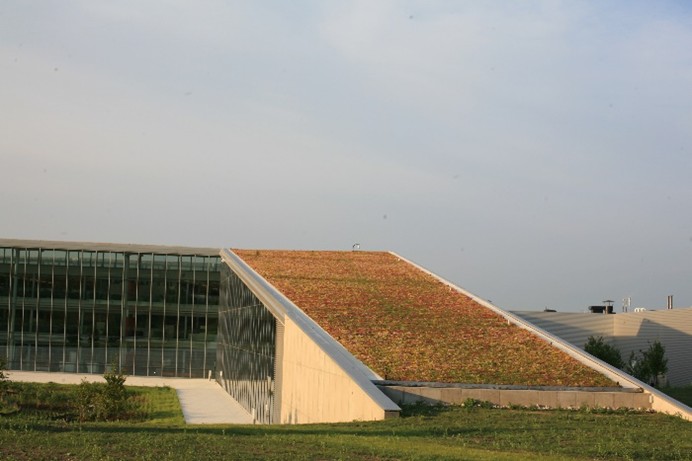
After 1st Year
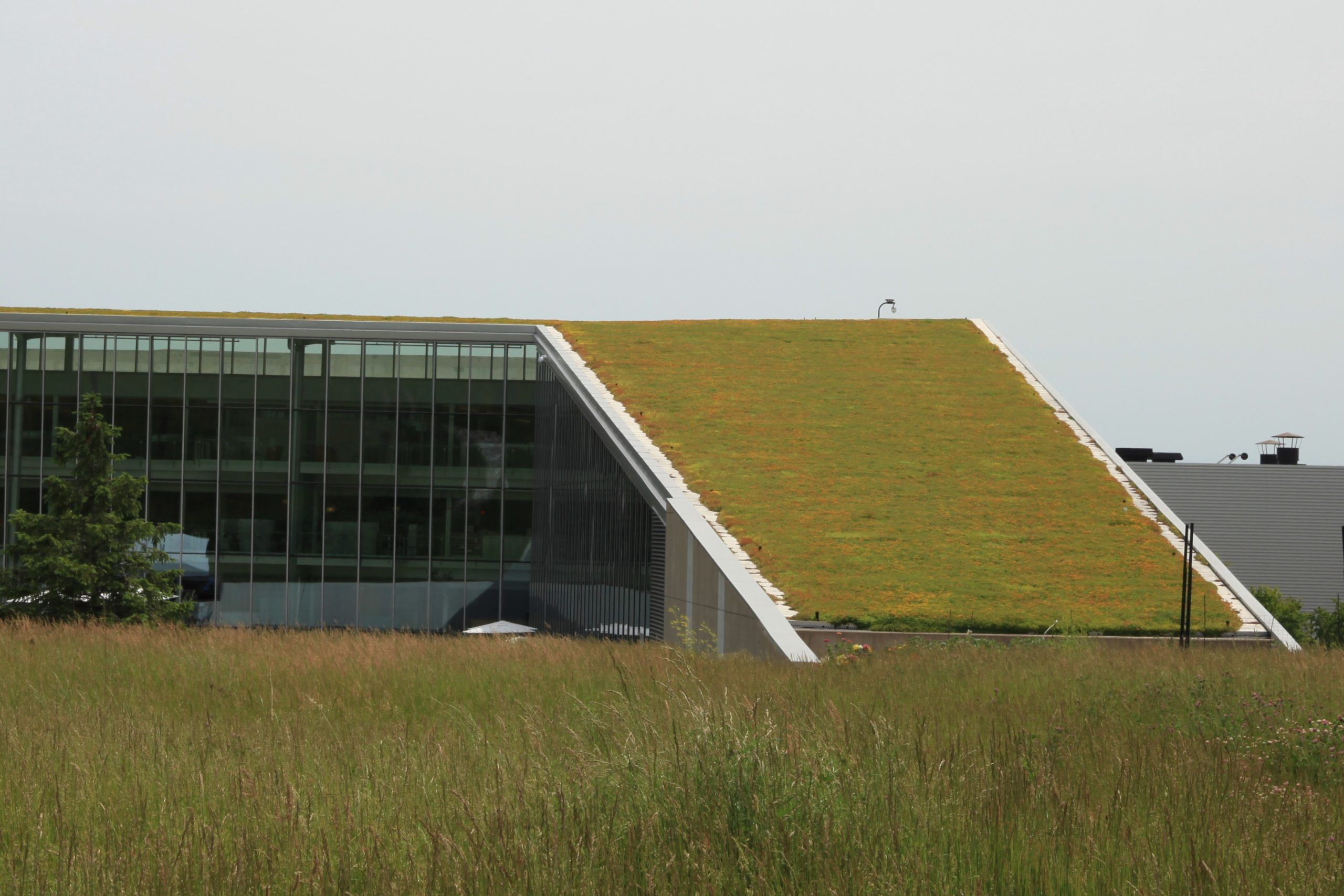
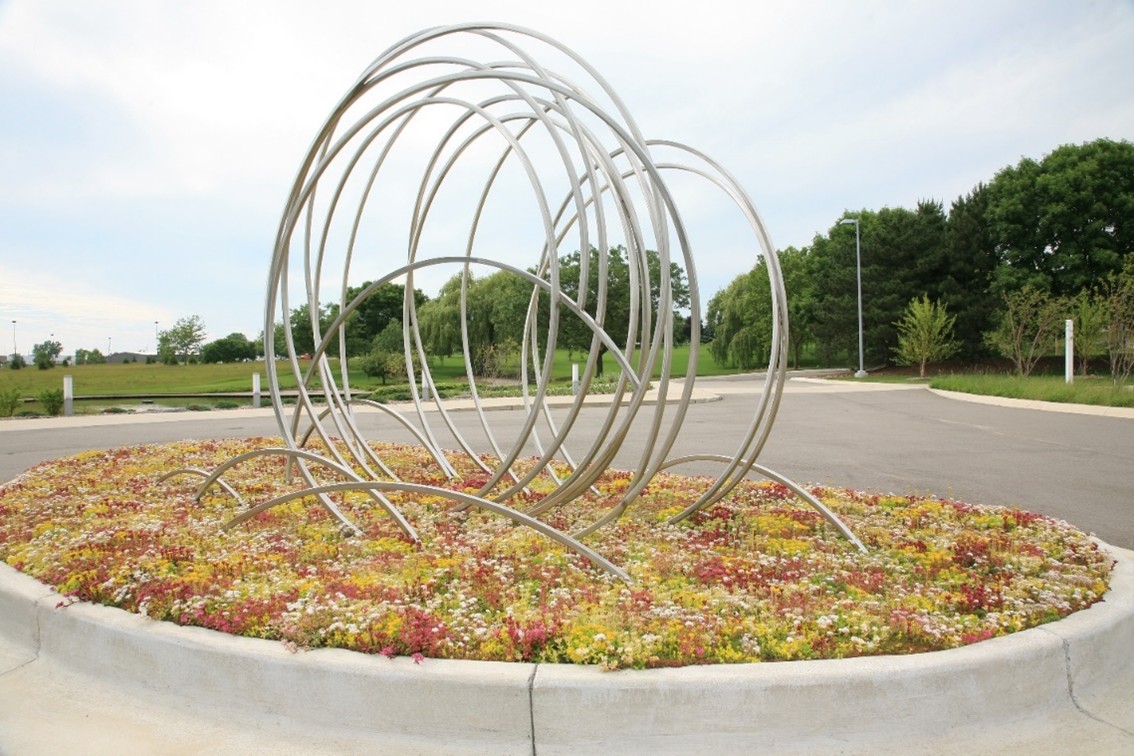
After 19 Years
The Haworth project demonstrates what longevity looks like in practice: a mature green roof that continues to perform, looks exceptional, and requires surprisingly little maintenance.
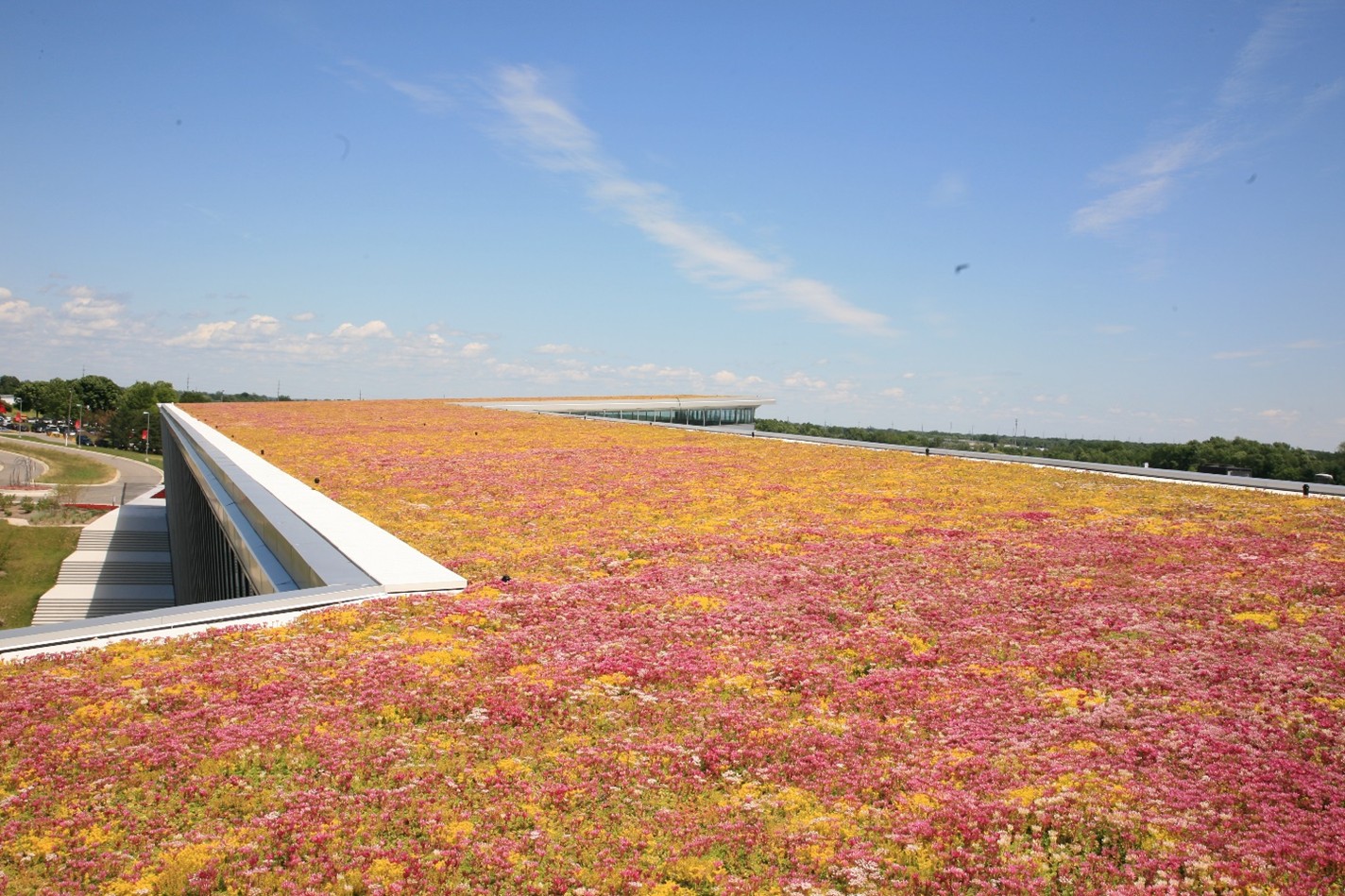
After 3 Years
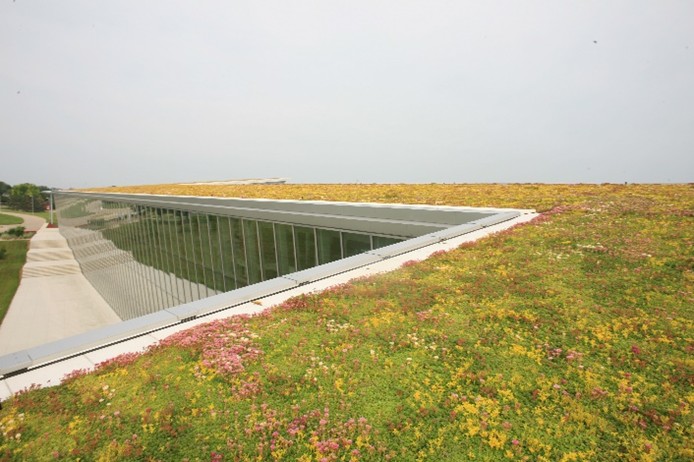
After 7 Years
After 19 Years
Built on Experience, Backed by Support
After nearly 20 years in the field, LiveRoof® has seen every mistake that can be made—and uses that experience to help project teams avoid making new ones. From early design decisions to specifications and long-term maintenance planning, LiveRoof® is committed to supporting owners, designers, and contractors in building green roofs that truly stand the test of time.
LiveRoof® is always willing to assist with design guidance and specifications to ensure systems are built for longevity from the start.
About This Series
This article is the first installment in the Longevity of LiveRoof® Green Roofs series, where we explore how properly designed and maintained LiveRoof® systems deliver long-term value and performance.
Jodi Griffin, Business Development Manager for LiveRoof® Global. Questions? Reach out anytime at jodi@liveroof.com.
Learn more about LiveRoof® green roof systems and how longevity is built into every module.