Why Nature Belongs in Health Care Design
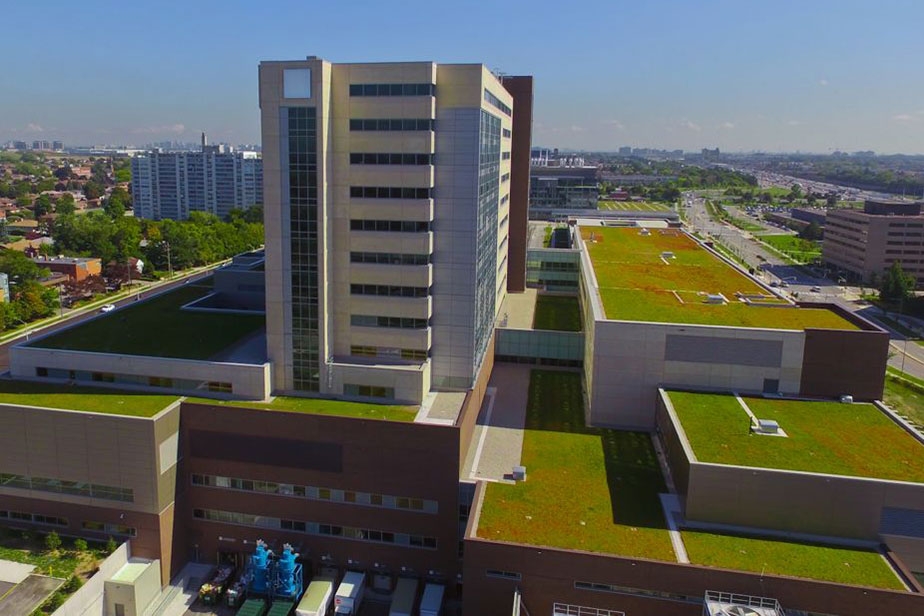
In Ontario, green roofs are required on healthcare facilities for roofs overlooked by patient rooms — a policy rooted in a growing body of research showing that access to nature improves health outcomes.
This reflects a broader shift in healthcare design toward environments that promote patient healing, staff well-being, and community health while meeting sustainability and operational demands. LiveRoof® green roof systems support these objectives through proven biophilic, environmental, and performance-based benefits.
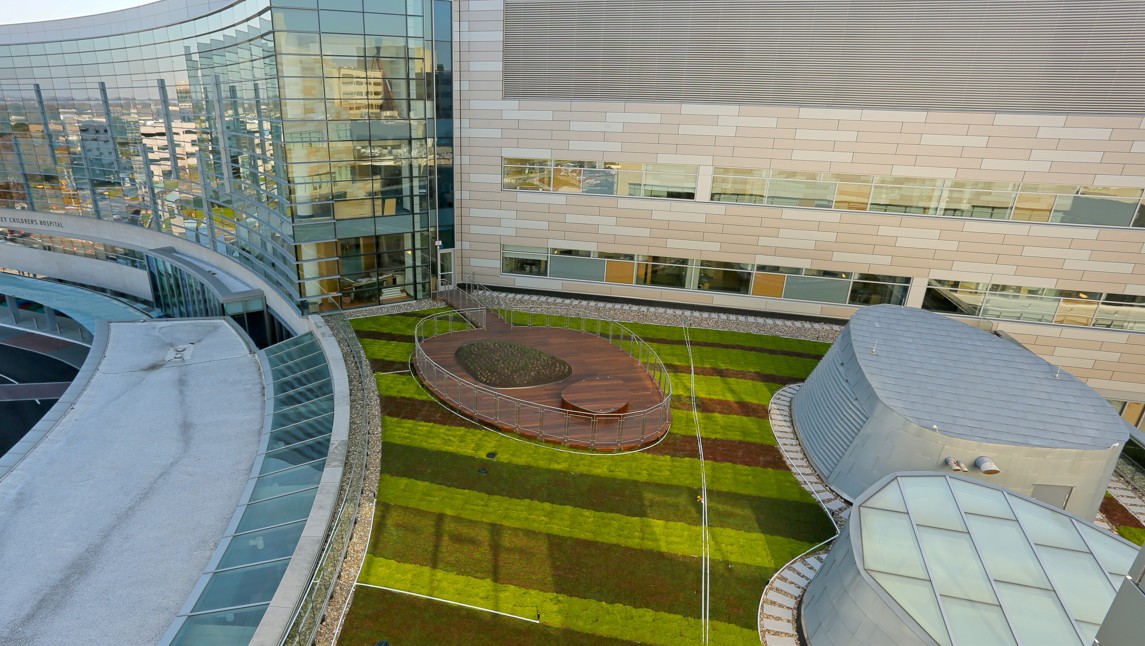
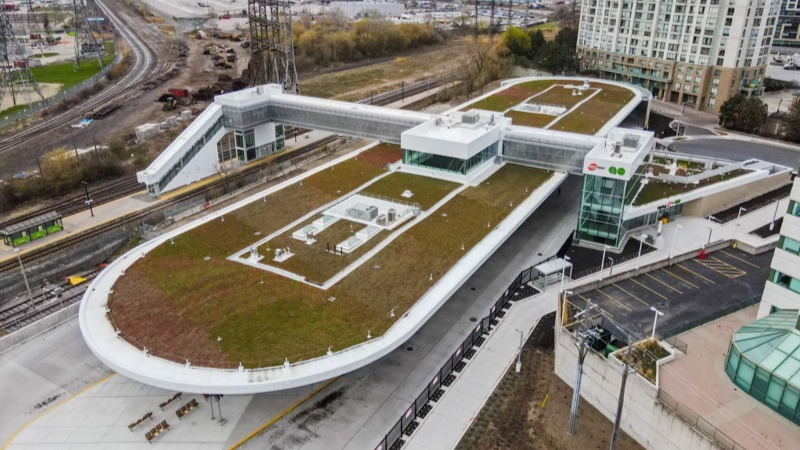
Penn State Children’s Hospital – Hershey, PA
Biophilia & Evidence-Based Design
Biophilia — the innate human connection to nature — is a foundational principle in evidence-based healthcare design. Roger Ulrich’s landmark 1984 study demonstrated that surgical patients with views of vegetation recovered faster, required less pain medication, and experienced fewer complications than those with views of built environments.
Subsequent research confirms that visible green spaces reduce stress, lower blood pressure, and improve patient satisfaction. LiveRoof® green roofs bring these benefits to rooftops that are visible from patient rooms, corridors, and staff spaces — particularly valuable in dense urban settings where ground-level gardens are limited.
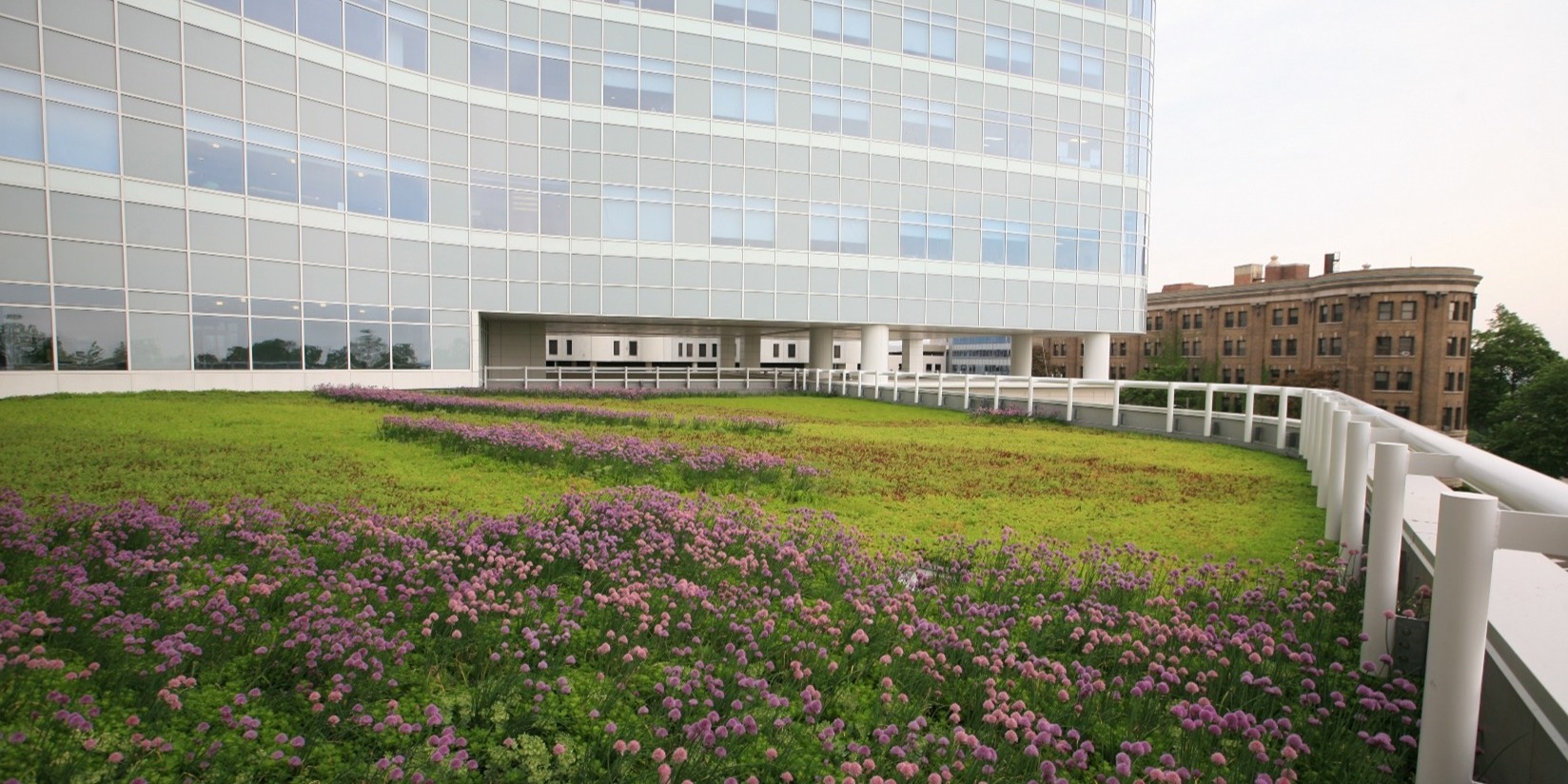
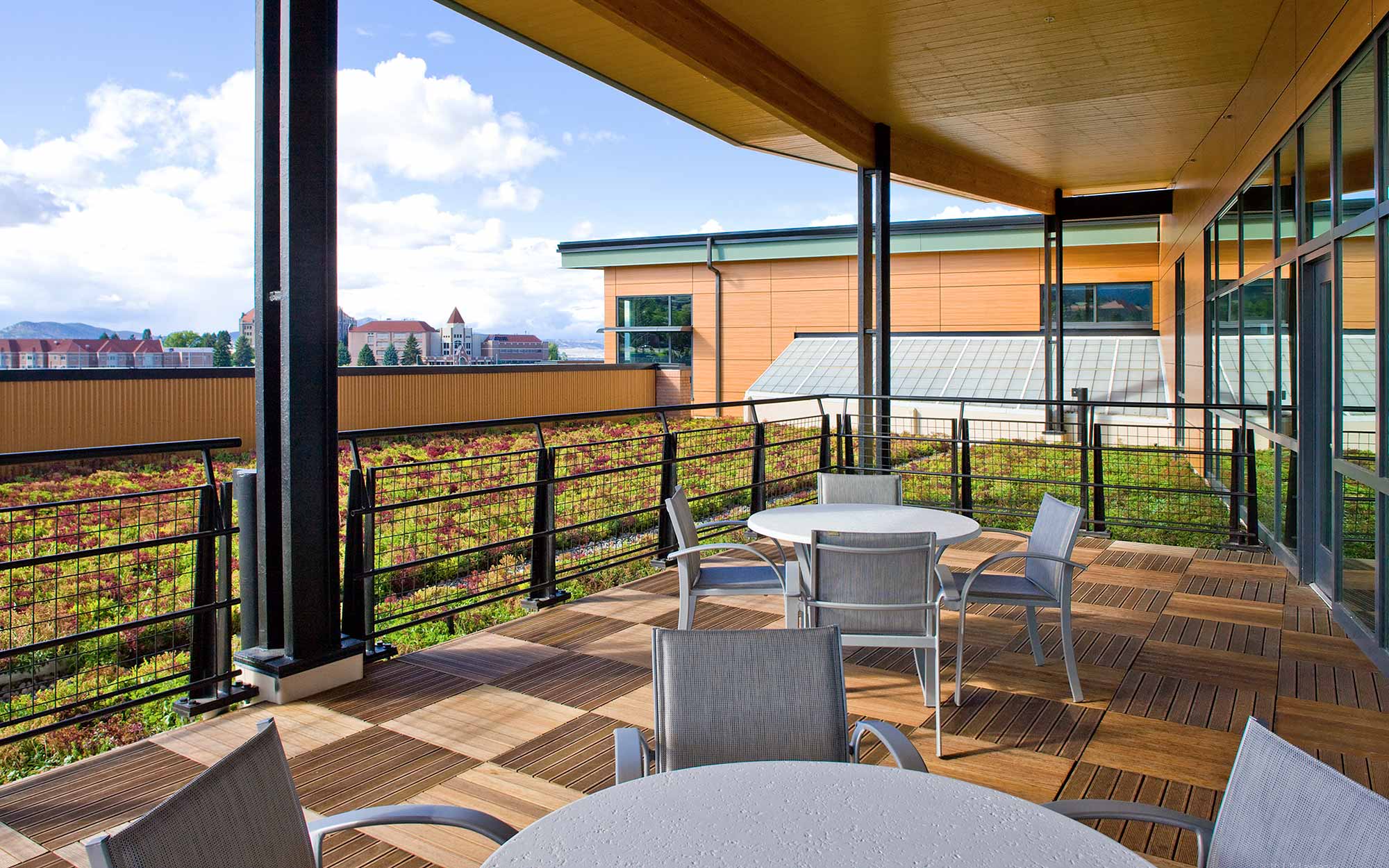
Columbia St. Mary’s Hospital – Milwaukee, WI
Patient Recovery Benefits
LiveRoof® green roofs extend restorative benefits to patients who may be unable to access outdoor spaces directly by providing:
- Visual connection to nature that reduces stress and anxiety
- Restorative environments that improve mood and perception of care
- Therapeutic rooftop spaces suitable for rehabilitation and recovery activities
Hospitals such as Penn State Children’s Hospital (PA) and Columbia St. Mary’s Hospital (WI) demonstrate how rooftop landscapes can meaningfully support patient-centered care.
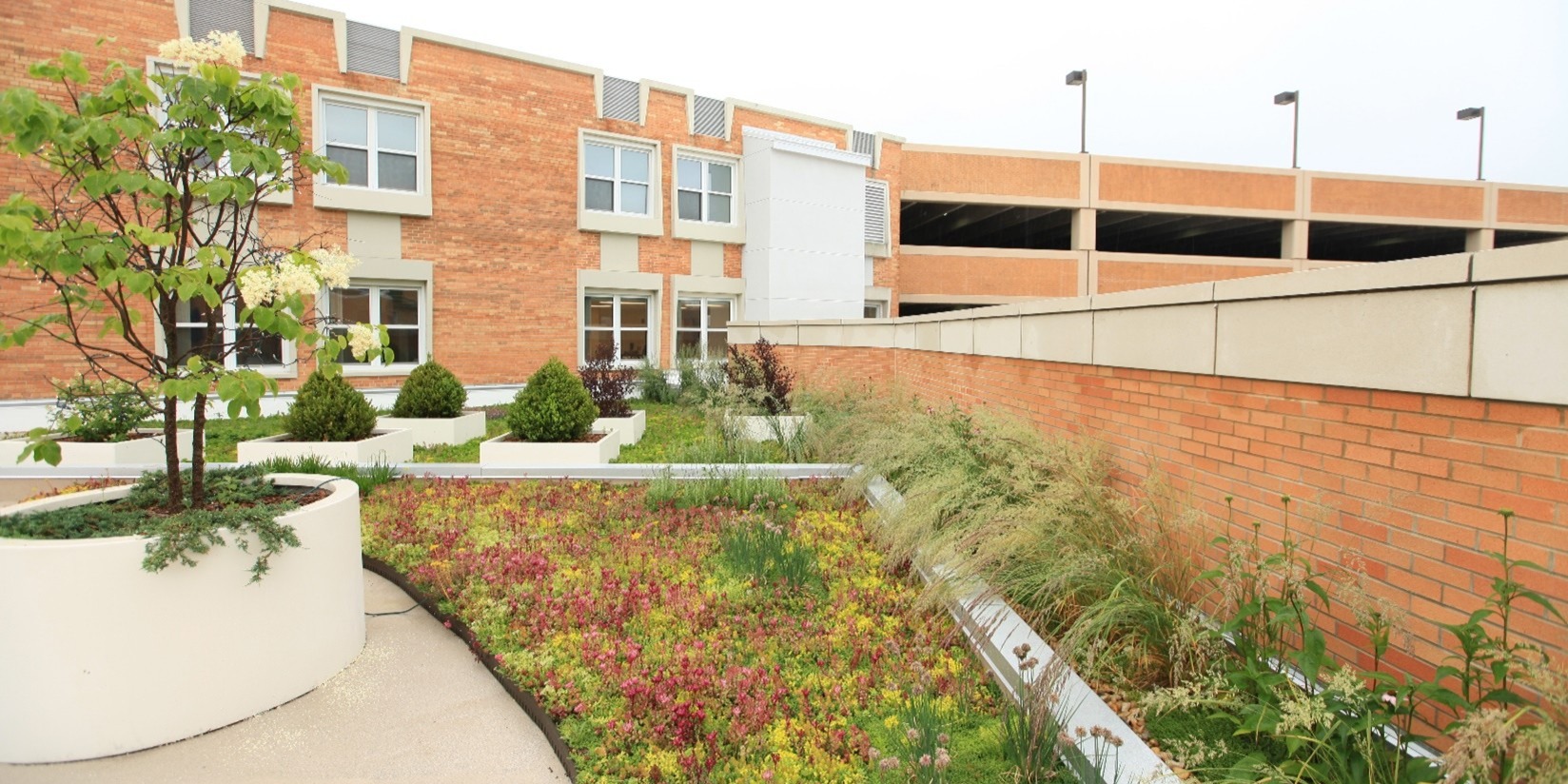
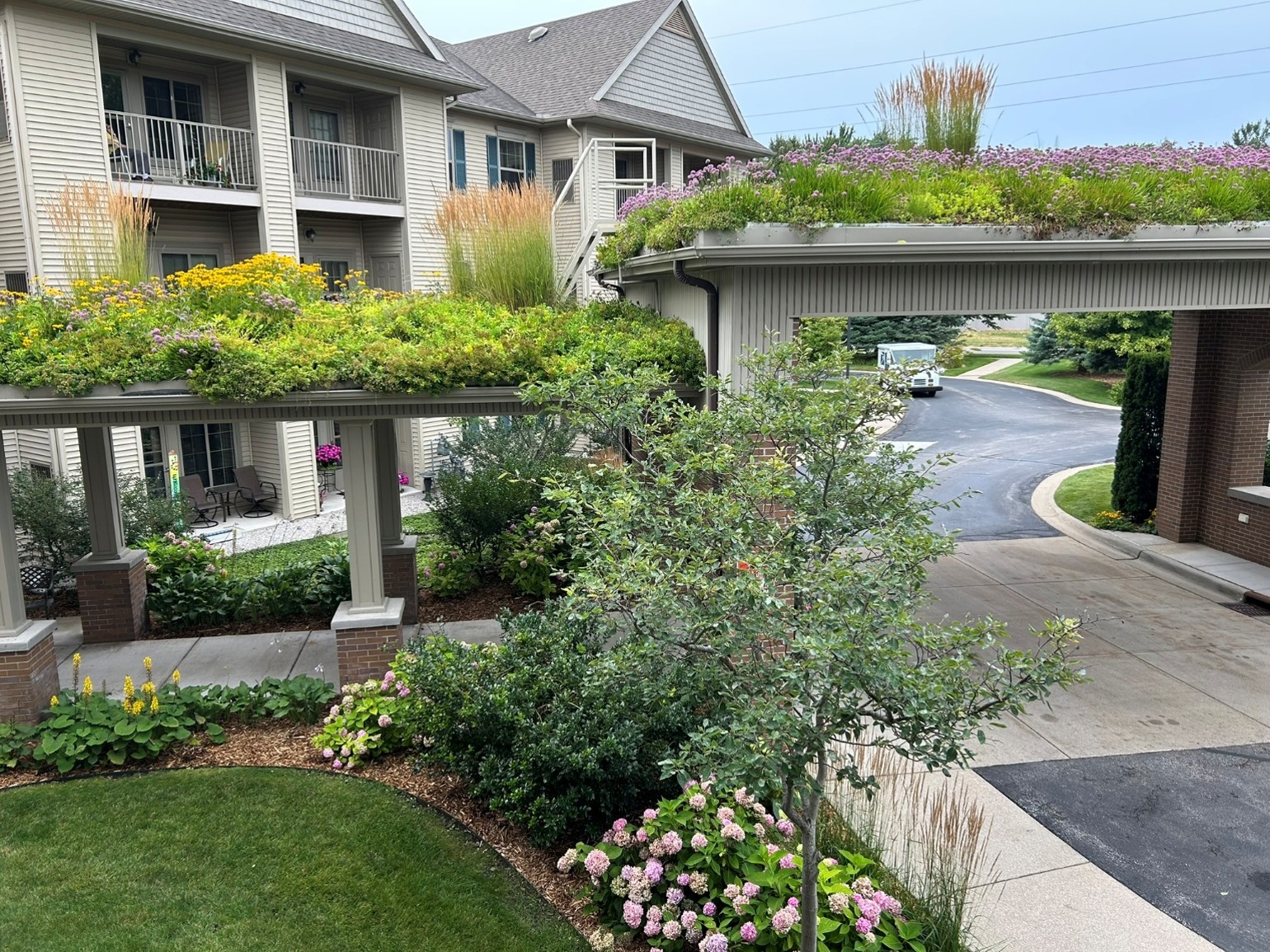
Marionjoy Rehabilitation Hospital – Wheaton, IL
Staff Wellness & Retention
Healthcare professionals operate in high-stress environments where burnout affects both retention and quality of care. Research from the Center for Health Design shows that access to outdoor natural spaces improves job satisfaction and reduces stress.
LiveRoof® green roofs can be designed as staff-only terraces or respite spaces, supporting wellness initiatives and providing opportunities for mental restoration during demanding workdays. Facilities such as Marionjoy Rehabilitation Hospital (IL) highlight how even brief exposure to nature can improve focus, resilience, and overall well-being.
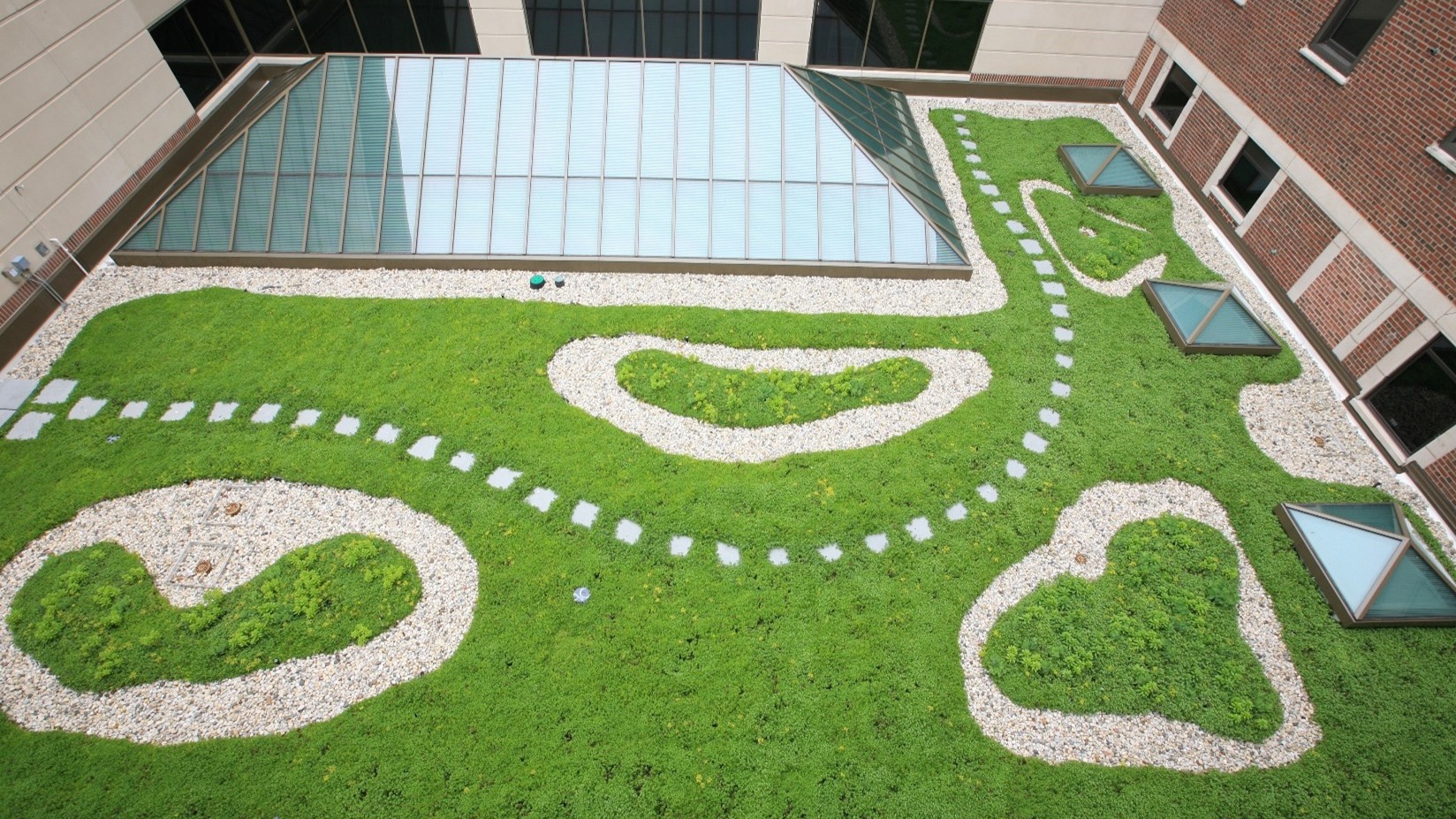
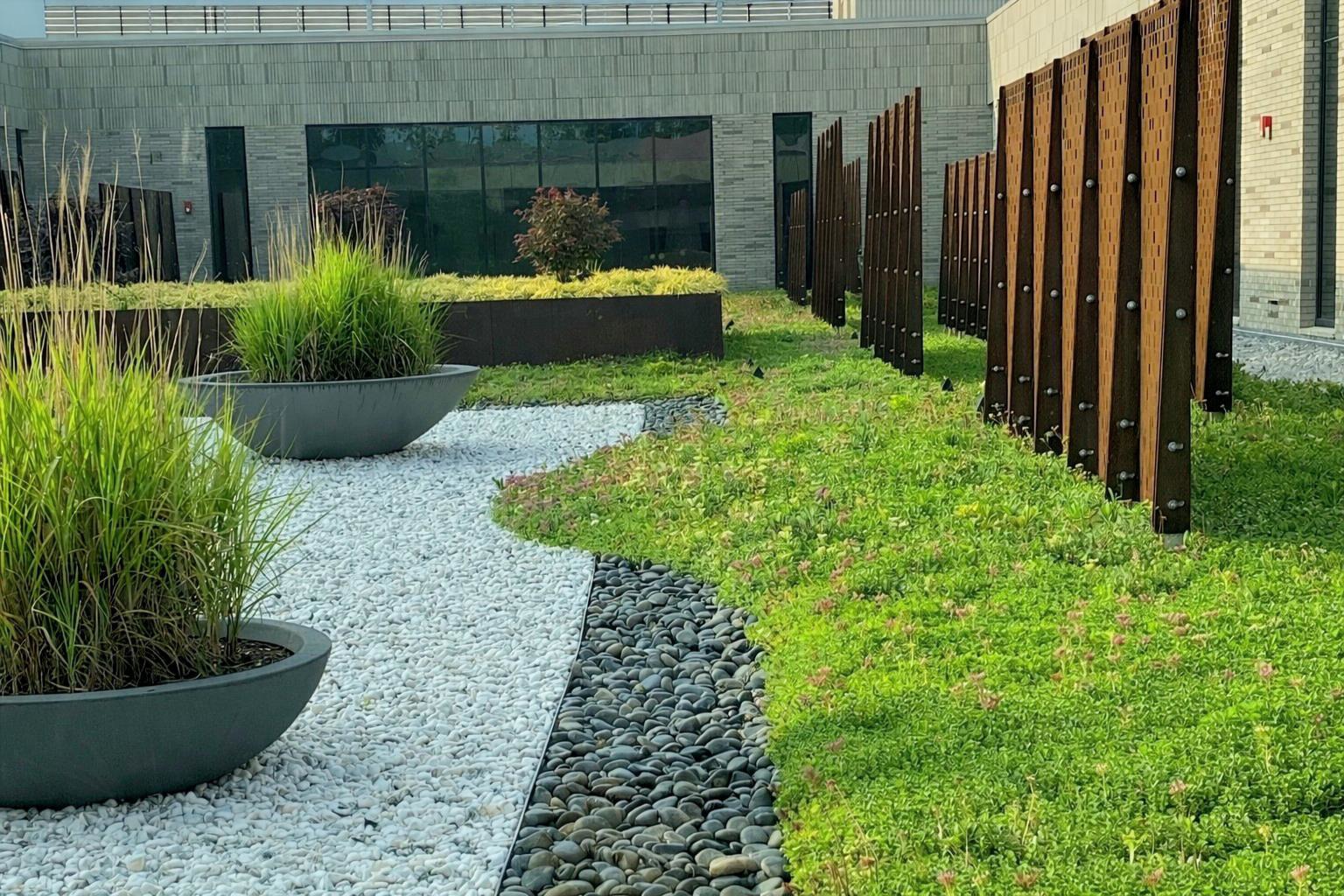
Kellogg Cancer Center – Evanston, IL
Environmental & Community Health
Hospitals consume approximately 2.75 times more energy per square foot than the average commercial building. LiveRoof® green roofs help mitigate these impacts while contributing to broader public health goals:
- Stormwater management: Retaining 50–80% of annual rainfall and reducing peak discharge
- Urban heat island reduction: Lower rooftop temperatures and improved campus microclimates
- Air quality & biodiversity: Vegetation that filters pollutants and supports pollinators
Projects like Kellogg Cancer Center (IL) accomplish these environmental goals and simultaneously support their overarching mission of caring for their patients.
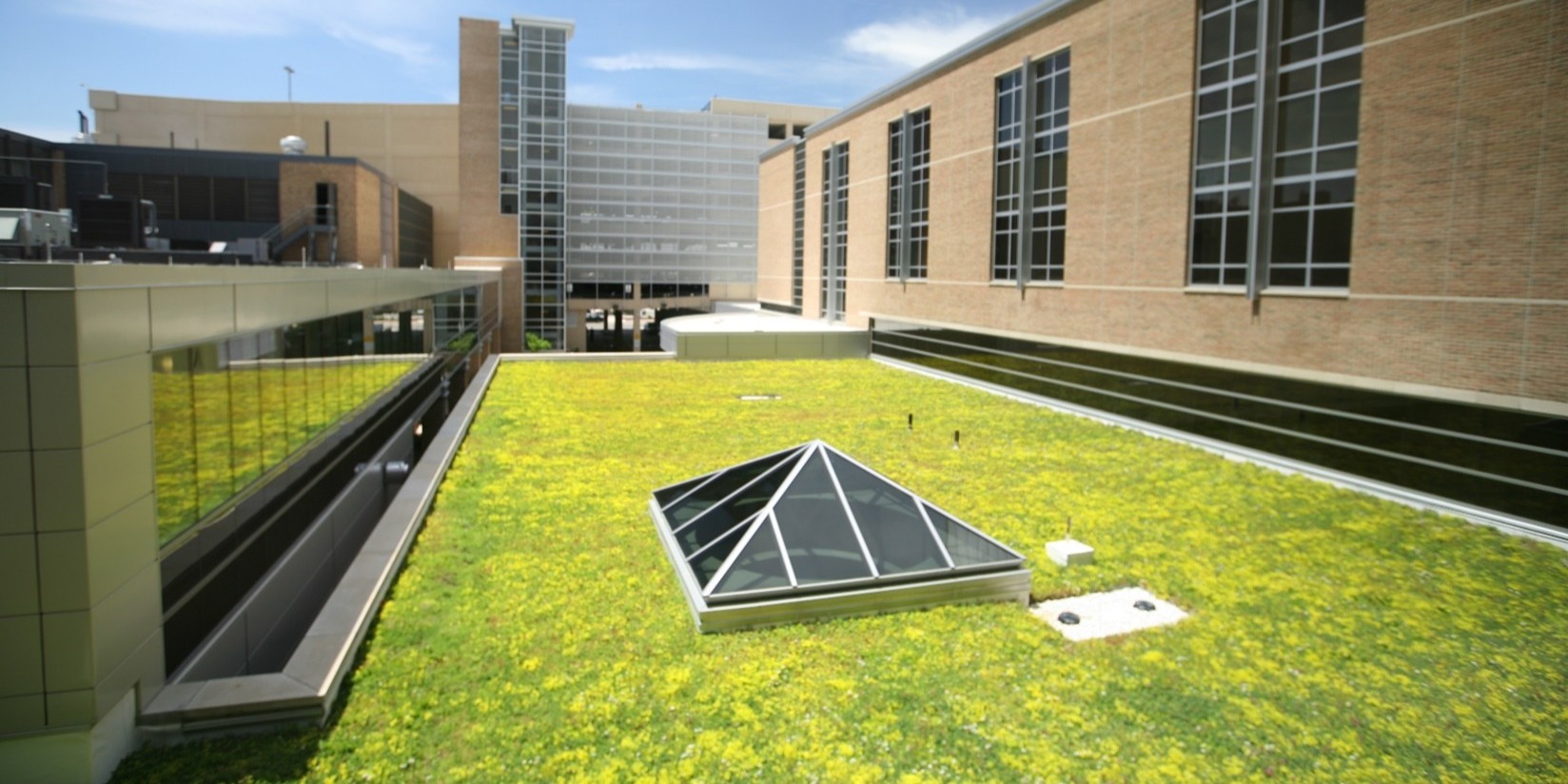
St. Mary's Trinity Hospital – Grand Rapids, MI
Operational & Financial Performance
From a facilities perspective, LiveRoof® green roofs provide measurable life-cycle advantages:
- Extended roof service life through protection from UV exposure and thermal cycling
- Energy efficiency via added insulation and evaporative cooling
- Regulatory support for stormwater compliance and sustainability certifications
- Financial incentives such as reduced stormwater fees and municipal green infrastructure credits
Hospitals including St. Mary’s Trinity Hospital (MI) demonstrate the operational value of integrating green roofs into healthcare campuses.
Alignment with Health Care Standards
LiveRoof® green roofs support key healthcare design frameworks, including:
- LEED for Healthcare
- WELL Building Standard
- Facility Guidelines Institute (FGI) Guidelines
Together, these frameworks emphasize patient-centered, wellness-focused, and resilient design — all areas where LiveRoof delivers measurable performance.
Conclusion
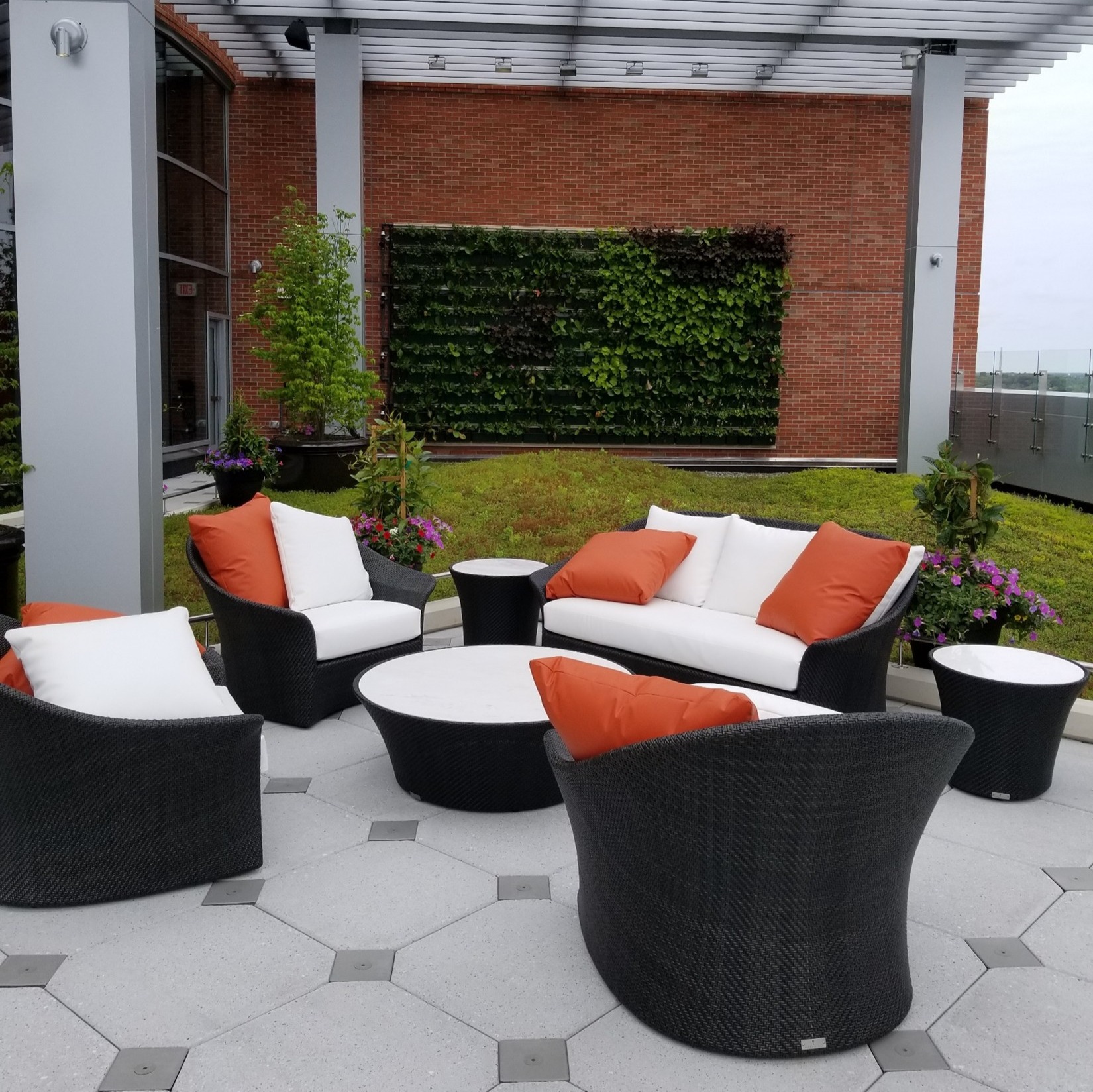
LiveRoof® green roofs are more than stormwater management and aesthetic features; they are evidence-based design tools that support patient recovery, staff wellness, operational efficiency, and community health. As healthcare facilities respond to growing demands for sustainability and improved outcomes, LiveRoof® systems are becoming an integral component of forward-looking facility design.
Do you have additional questions about how LiveRoof® impacts patient recovery and improves staff wellness? Your local LiveRoof representative can help.
About This Series
This article is the fourth installment in The Science behind LiveRoof® System series, where we explore the technical advantages of the LiveRoof® systems.
Jodi Griffin, Business Development Manager for LiveRoof® Global. Questions? Reach out anytime at jodi@liveroof.com.