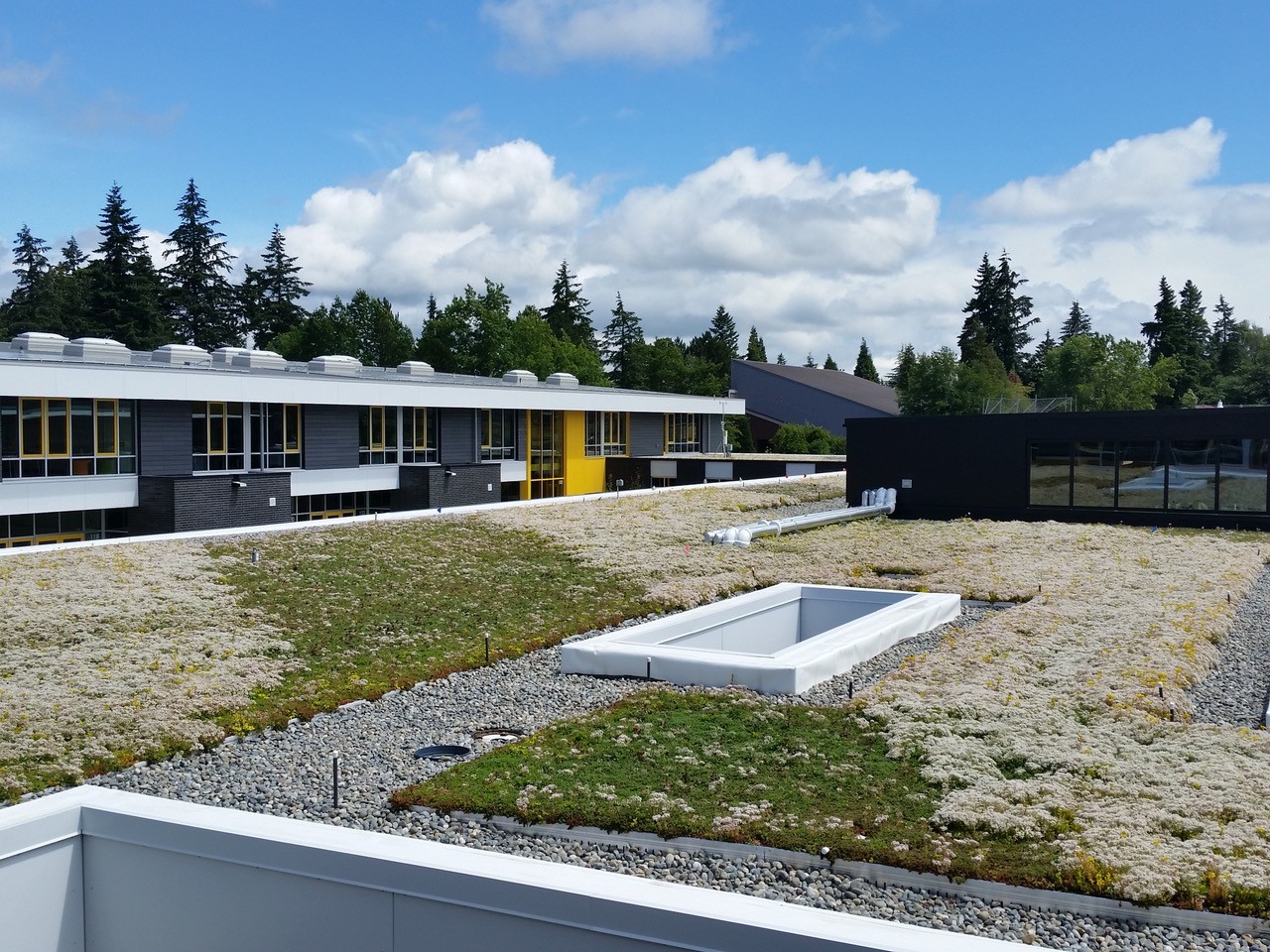
In an era of rising energy costs and increasing demands for sustainable building design, LiveRoof® green roof systems stand out not just for their beauty and environmental performance, but for measurable reductions in building energy use. From moderating roof temperatures to enhancing the performance of rooftop solar, the science of energy savings with LiveRoof is rooted in natural processes and amplified by innovative engineering.
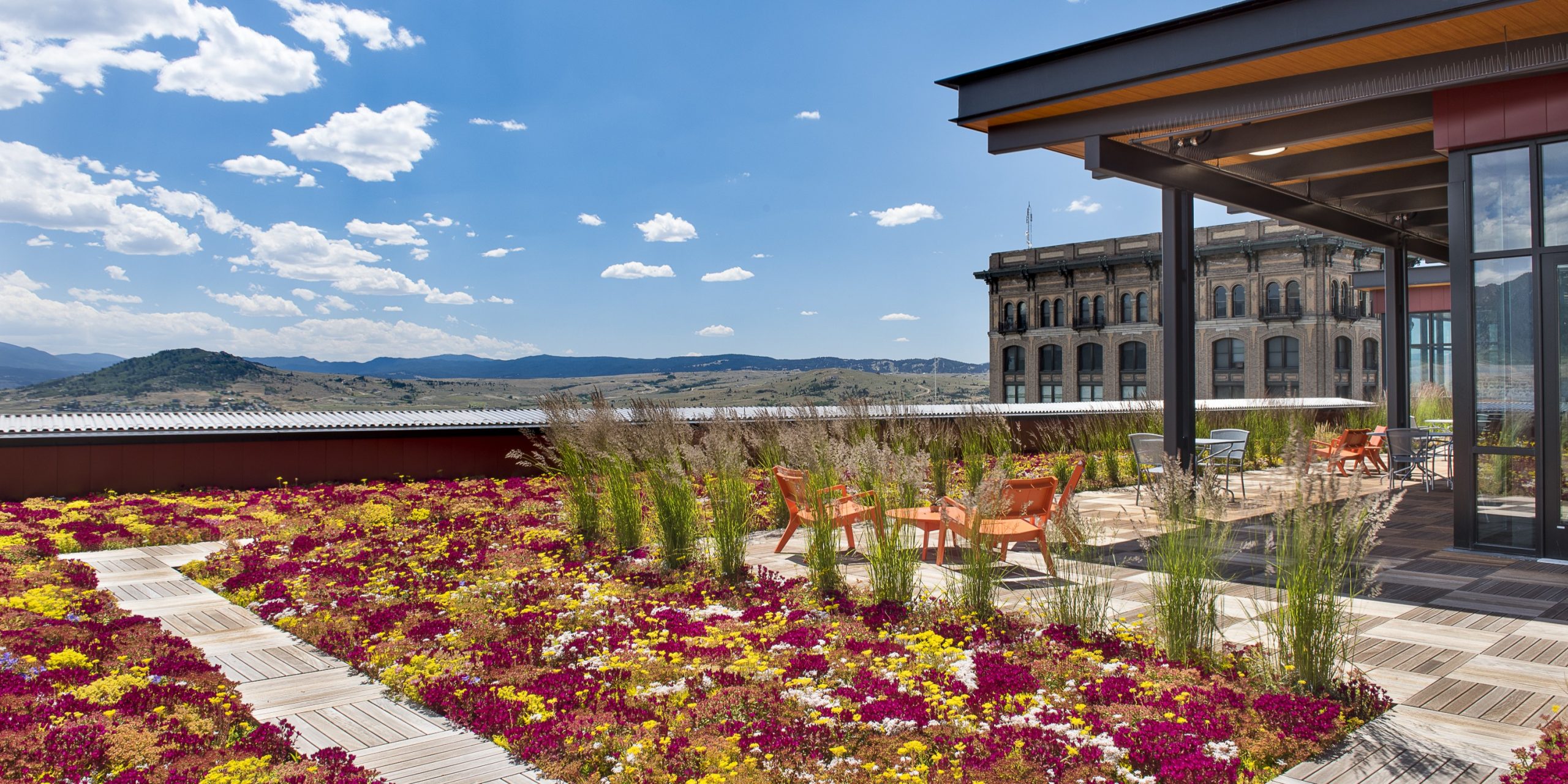
Natural Thermal Regulation: How LiveRoof Green Roofs Reduce Energy Use
At its core, the energy-saving benefit of a LiveRoof installation stems from plant physiology combined with physical qualities of the soil:
Evapotranspirative Cooling
Plants release water vapor through evapotranspiration — a process of transferring moisture from the earth to the atmosphere. On hot days, this natural cooling lowers rooftop surface temperatures, significantly reducing the heat load transmitted into occupied spaces below. This thermal buffering reduces the demand on air-conditioning systems and can cut cooling energy costs by roughly 25% or more.
Insulation Value
Beyond cooling, the vegetated growing medium provides an insulating layer over the building envelope. The soil and plant mass slow heat transfer into (and out of) the structure, leading to more stable indoor temperatures year-round and lower heating and cooling loads across seasons.
These mechanisms not only reduce utility bills, but also contribute to occupant comfort, reduced peak electrical demand, and reduced urban heat island effects.
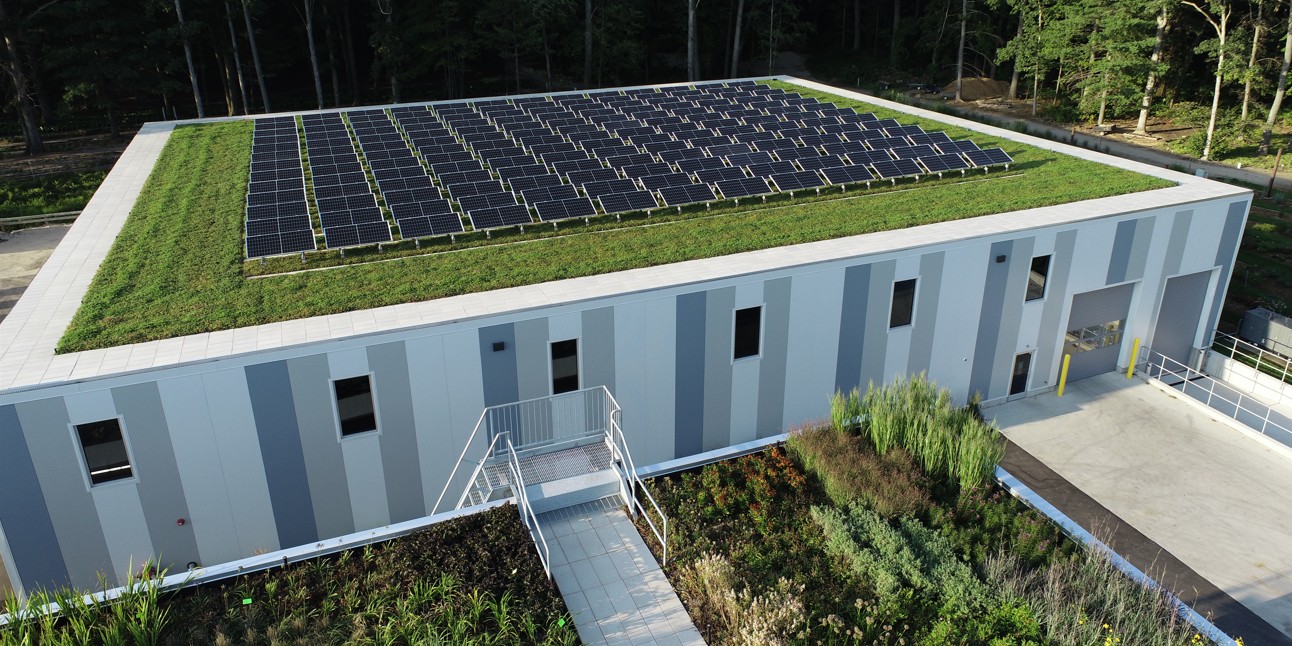
SolaGreen® Bio-Solar: Synergistic Energy Savings
LiveRoof takes rooftop performance to the next level with its SolaGreen® PV Rack System — a fully integrated bio-solar solution that combines green roof technology with photovoltaic (PV) solar energy generation.
Solar Generation Reduces Grid Energy Demand
At the simplest level, rooftop solar produces clean electricity on site, lowering dependence on utility power and direct energy costs. When paired with a LiveRoof green roof, these benefits are magnified: solar power substitutes for grid energy usage during peak demand, and depending on incentives and system size, can dramatically shrink annual energy bills.
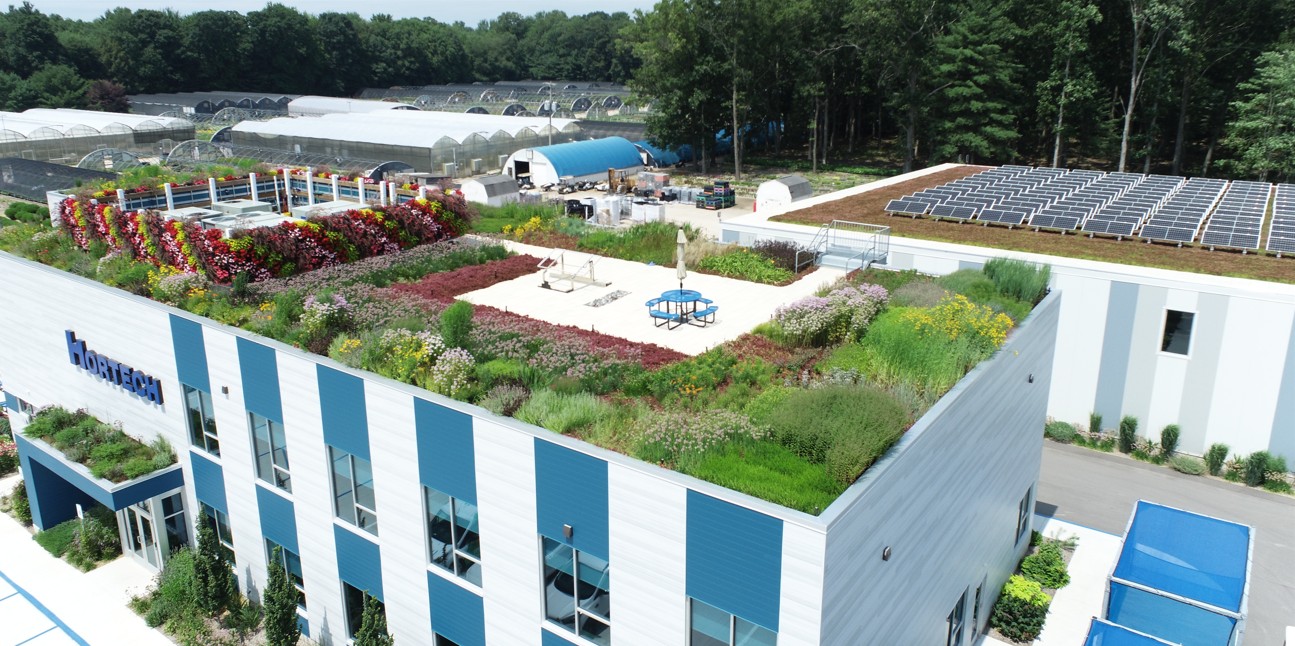
Cooler Solar Panels, Better Performance
Solar panels operate most efficiently at moderate temperatures. Excess heat can diminish their output. LiveRoof vegetation acts as a natural cooling layer around the PV array, keeping the air near ambient temperatures — which research has shown can increase solar energy output by 5%–15% compared to traditional unvegetated rooftop solar installations which become excessively hot. This causes the panels to heat up and reduce their electrical output.
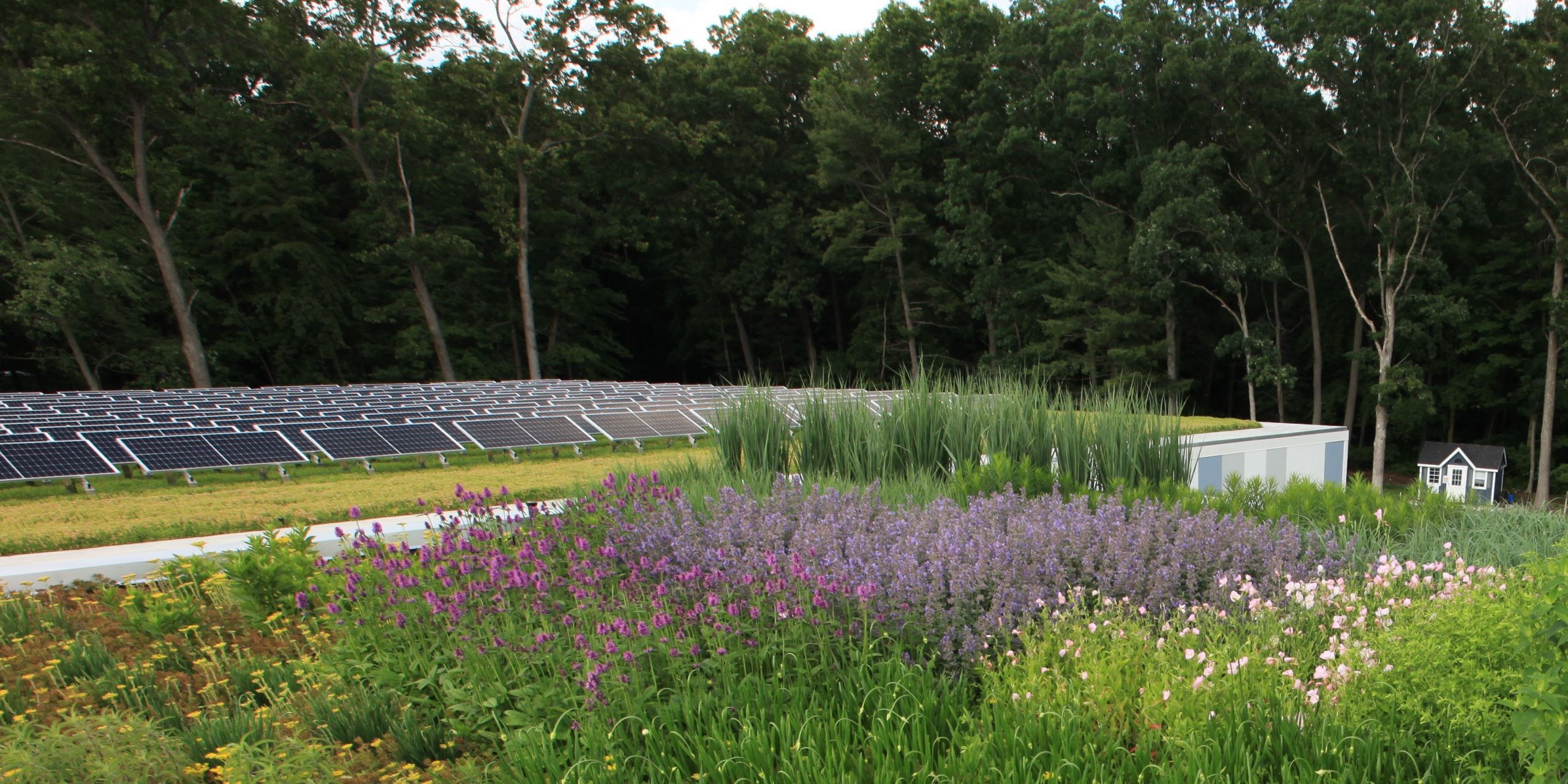
Combined Load Reductions
The integrated system delivers dual energy benefits:
- Passive reductions in building heating and cooling demand thanks to green roof insulation and evapotranspiration.
- Active energy generation from PV panels produces electricity and reduces grid-sourced energy use. Together, these effects provide a powerful case for sustainable design that simultaneously cuts operating costs and environmental impact.
- Sinergy – 1 + 1 = 3. The green roof keeps the PV panels cooler which allows them to operate 5-15% more efficiently than if they were not surrounded by the cooling impact of the plants.

Beyond Direct Savings: Extended Roof Life & Incentives
Energy savings with LiveRoof are further complemented with longer roof life (estimated at approximately 40-50 years) and financial incentives. Vegetation buffers the roof membrane from UV damage and temperature swings, often extending membrane performance well beyond conventional lifespans — which reduces the energy (and emissions) embedded in reroofing over decades.
Additionally, systems like SolaGreen may qualify for solar tax credits and renewable energy incentives, further improving the economic return on investment and accelerating payback periods for green roof projects.
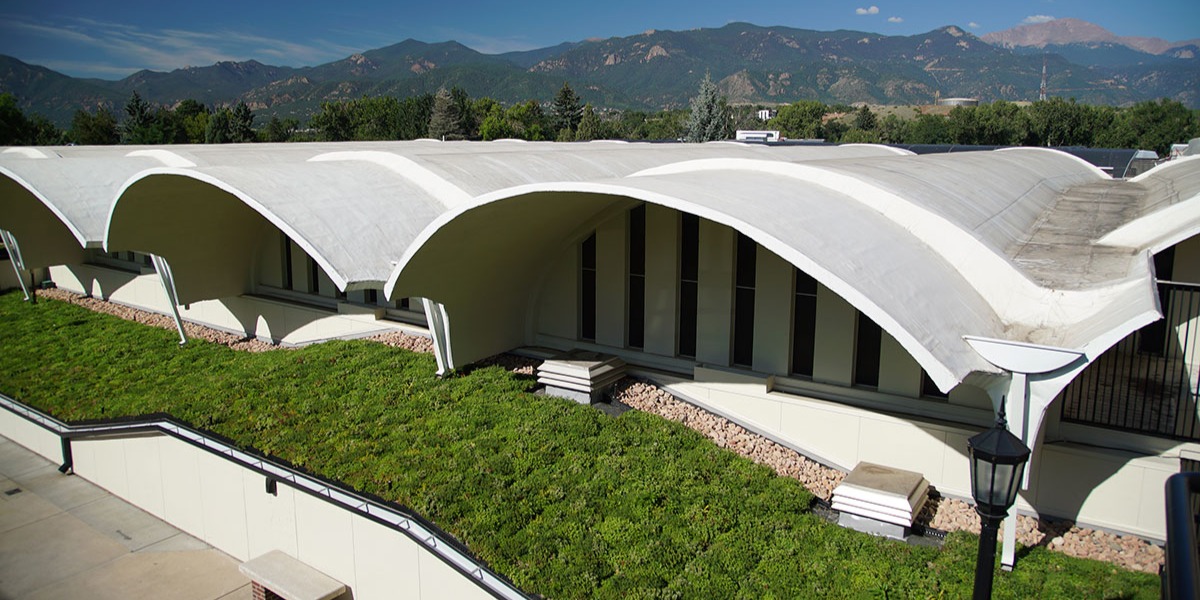
Real-World Outcomes: Performance Meets Sustainability
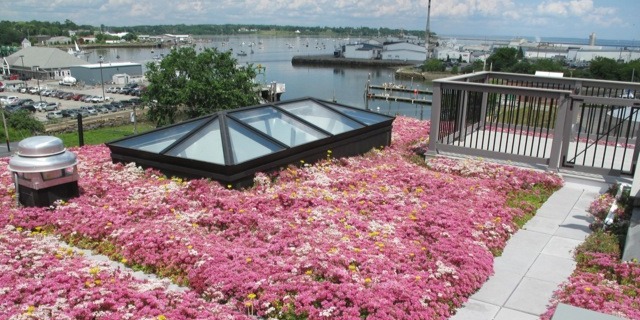
The science is clear: by imitating nature’s cooling processes and combining them with cutting-edge renewable energy technology, LiveRoof doesn’t just beautify rooftops — it transforms them into energy-saving infrastructure. Whether reducing HVAC loads through natural insulation and coolth, enhancing PV performance, or harnessing solar generation directly, LiveRoof systems deliver measurable, long-term energy benefits for property owners and occupants alike.
Conclusion
In sustainable building design, energy efficiency isn’t just about technology — it’s about biology, physics, and smart integration. LiveRoof brings these elements together in a system that saves energy, cuts costs, and supports resilient buildings for a changing climate. As energy challenges grow more complex, solutions that bridge nature and technology — like LiveRoof and SolaGreen — will play a vital role in shaping efficient, sustainable cities of the future.
Do you have additional questions about energy savings and green roofs? Your local LiveRoof representative can help.
About This Series
This article is the second installment in The Science behind LiveRoof® System series, where we explore the technical advantages of the LiveRoof® systems.
Jodi Griffin, Business Development Manager for LiveRoof® Global. Questions? Reach out anytime at jodi@liveroof.com.